
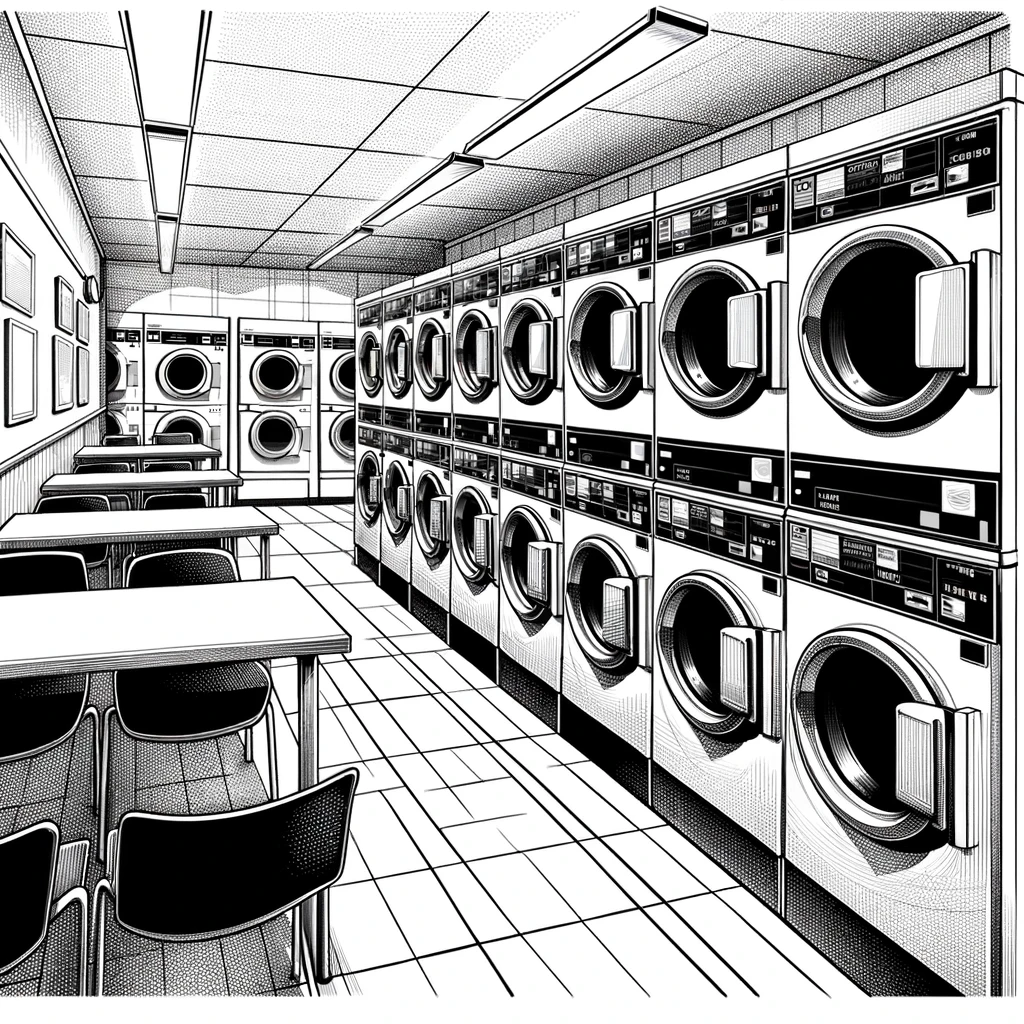
In the heart of the UK’s urban landscapes, the classic image of a launderette with rows of washing machines humming in unison and a faint scent of detergent hanging in the air holds a nostalgic charm. Yet, as we delve deeper into the 21st century, these familiar scenes are encountering a tide of change. The once-thriving launderette business is navigating through a whirlpool of challenges, leaving many to wonder about its future viability.
The advent of affordable home laundry appliances has significantly dampened the traditional reliance on communal launderettes. This shift, coupled with the spiralling costs of operation from water and electricity to maintenance and urban rent, has tightened the financial strain on these establishments. Moreover, the modern lifestyle, with its fast pace and a penchant for convenience, has tilted consumer preferences towards novel laundry services that offer doorstep pick-up and delivery, further eroding the customer base of traditional launderettes.
Yet, it’s not just the economic and lifestyle shifts that pose a challenge; environmental concerns also play a pivotal role. The increasing awareness about the ecological impact of laundry processes, including water consumption and the use of chemical detergents, is prompting a reevaluation of practices within the industry. This green awakening calls for a significant investment in eco-friendly technologies and practices, adding another layer of complexity to the launderette business model.
Despite these formidable challenges, the launderette industry in the UK might not be heading towards a washout. There’s a silver lining that suggests a vibrant, reinvented future. Imagine launderettes transforming into lively community hubs, where washing machines whirl beside cafes and free Wi-Fi zones, creating a social space that transcends the mundane task of laundry. These establishments could become the new village well, where people gather, exchange stories, and perhaps even forge friendships over the hum of dryers.
Moreover, by tapping into niche markets that demand specialised services such as eco-friendly washing, the care of delicate items, or handling oversized laundry, launderettes can carve out new revenue streams. Embracing technology can further enhance this evolution, offering customers the convenience of online bookings, digital payments, and smart machines that update them on their laundry’s progress in real time.
The green revolution also presents an opportunity for launderettes to distinguish themselves. Adopting sustainable practices, such as using energy-efficient machines, non-toxic detergents, and water recycling systems, could not only mitigate environmental concerns but also attract a demographic of eco-conscious consumers.
Despite the proliferation of home laundry solutions, there remains a significant portion of the population for whom these are not accessible, such as students, renters constrained by space, and economically disadvantaged families. For these individuals, launderettes continue to provide an indispensable service, underscoring the enduring relevance of these establishments in today’s society.
As we look towards the horizon, it’s clear that the launderette industry, much like the garments it refreshes, is in need of a revitalisation. Through innovation, diversification, and a commitment to sustainability, launderettes can secure their place in the fabric of modern British life. The future might hold a different narrative for these establishments, one where they emerge not just as places of necessity, but as cherished, eco-friendly community spaces that weave into the daily lives of their patrons. In this evolving landscape, the launderette sector not only has a heritage to preserve but also an exciting future to embrace.
